You get cut off in traffic. You feel that flash of rage or anger.
Then what?
Believe it or not: You get to choose what happens next.
You could spend the next twenty minutes thinking about what an idiot that driver was. Rehearse what you’d say if you could. Get irritated with the next driver, too. Arrive at your destination tense and distracted, still telling yourself how inconsiderate people are.
And you might be right. They may have been driving recklessly.
But what is being right doing for you at that moment?
Is replaying it helping you get where you’re going safely? Is it improving your morning? Or has someone who crossed your path for five seconds now taken up twenty minutes of your life?
That’s where this question becomes useful:

“Is this helping me, or is this harming me?”
You’re allowed to be angry. You’re allowed to recognize that something was wrong. But you can also notice when the thoughts that follow are costing you more than they’re giving you.
The first flash of emotion may arrive before you have any say in it. What happens next is something you can practice influencing, one thought and one choice at a time.
“Do I want to be right, or do I want to be happy?”
Sometimes the honest answer is, “I want both. And I want them to admit I’m right.”
Understandable.
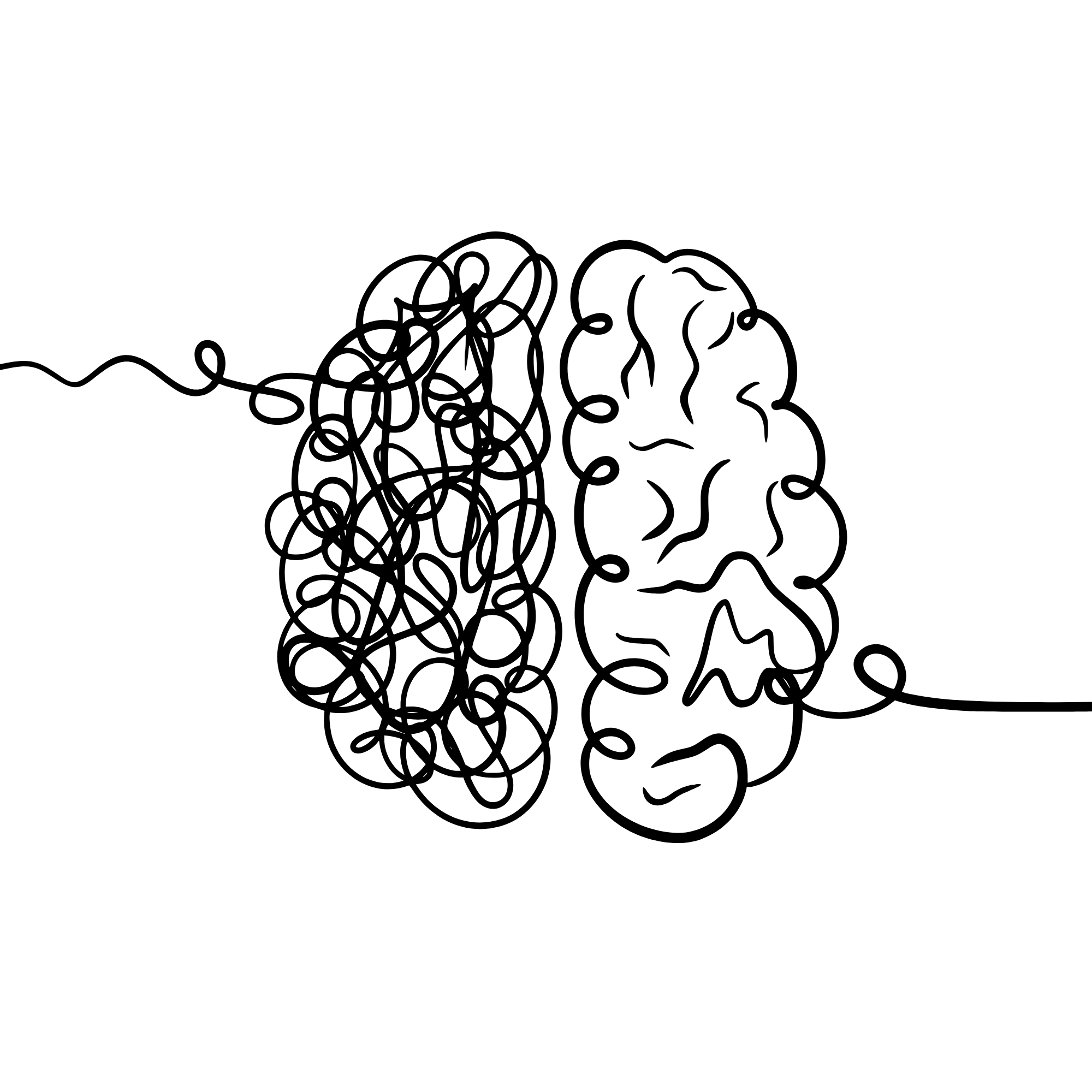
But what happens when that admission never comes? When the driver disappears, the conversation ends, or the other person simply sees things differently?
You could spend hours building your case. You could explain it to three friends, reread the messages, and come up with an even better argument.
At some point, it’s worth asking: What am I hoping this will give me? And is it actually giving me that?
Being right and being happy aren’t always competing goals. But when proving your point starts consuming your day, you may have a choice about which one deserves more of your energy.
“Did I have a bad day, or did I have a bad five minutes, then milk it all day?”
Some days are genuinely difficult from beginning to end. But sometimes one moment becomes the lens through which we see everything that follows.
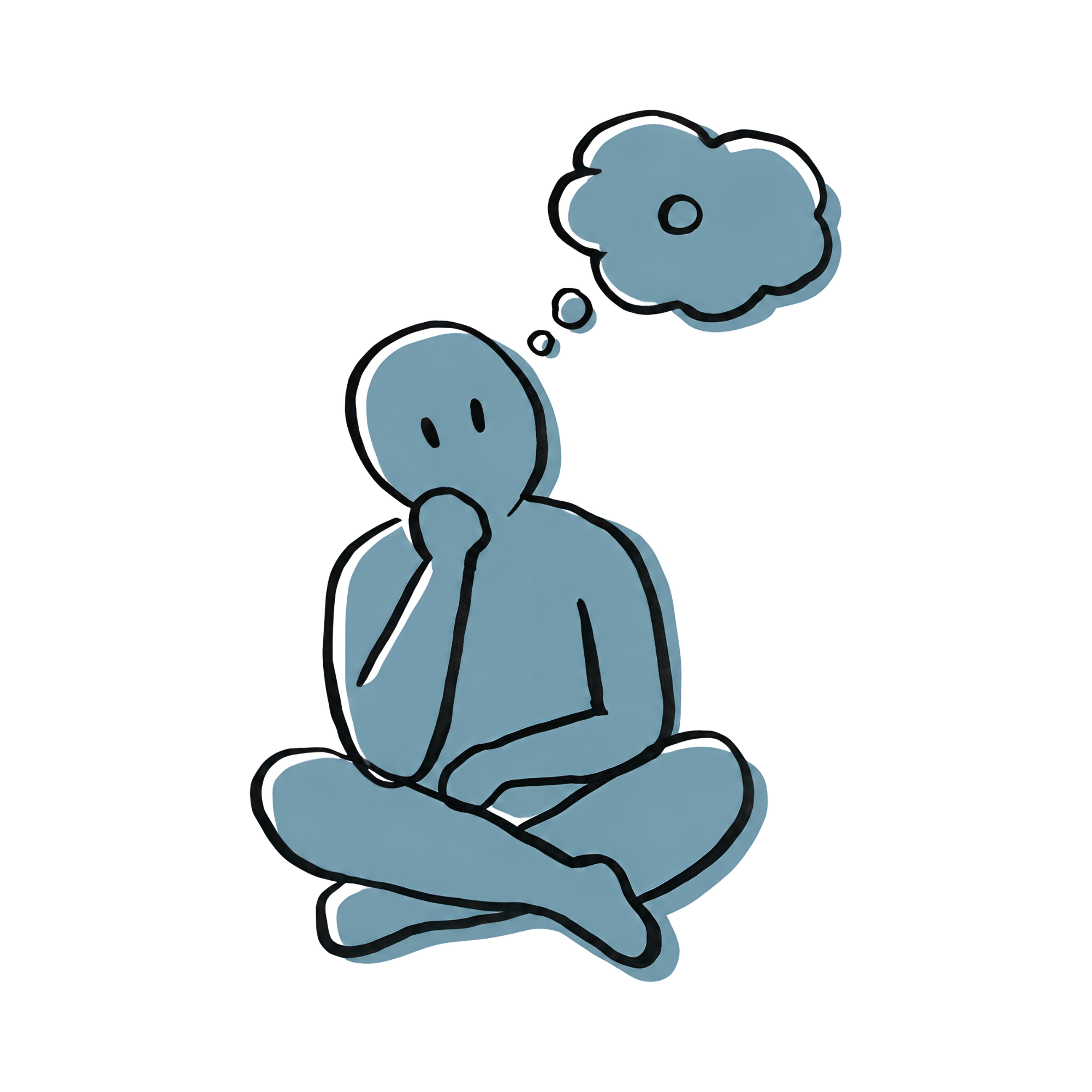
A rude comment at breakfast. An irritating email. A disappointment before work.
Hours later, we’re still saying, “Today is awful.”
Try being more specific: “Something upsetting happened this morning, and I’ve been carrying it.”
That wording leaves room for something else to happen. A decent afternoon. A good conversation. A moment you enjoy without needing the earlier moment to be resolved.
“Would a little compassion make this easier to carry? Understanding their perspective doesn’t erase mine.”
Maybe the impatient person is overwhelmed. Maybe the friend who seemed distant is struggling. Maybe someone handled a difficult moment badly, as you sometimes have.

You don’t know their whole story.
Sometimes we resist empathy because it feels like conceding.
If I understand why they did it, do I lose my right to be upset? If I acknowledge their feelings, does that mean mine matter less?
You can hold both.
The next time you catch yourself replaying an offense or building your case, pause long enough to ask one (or all!) of the above questions. Does it change how you feel?


